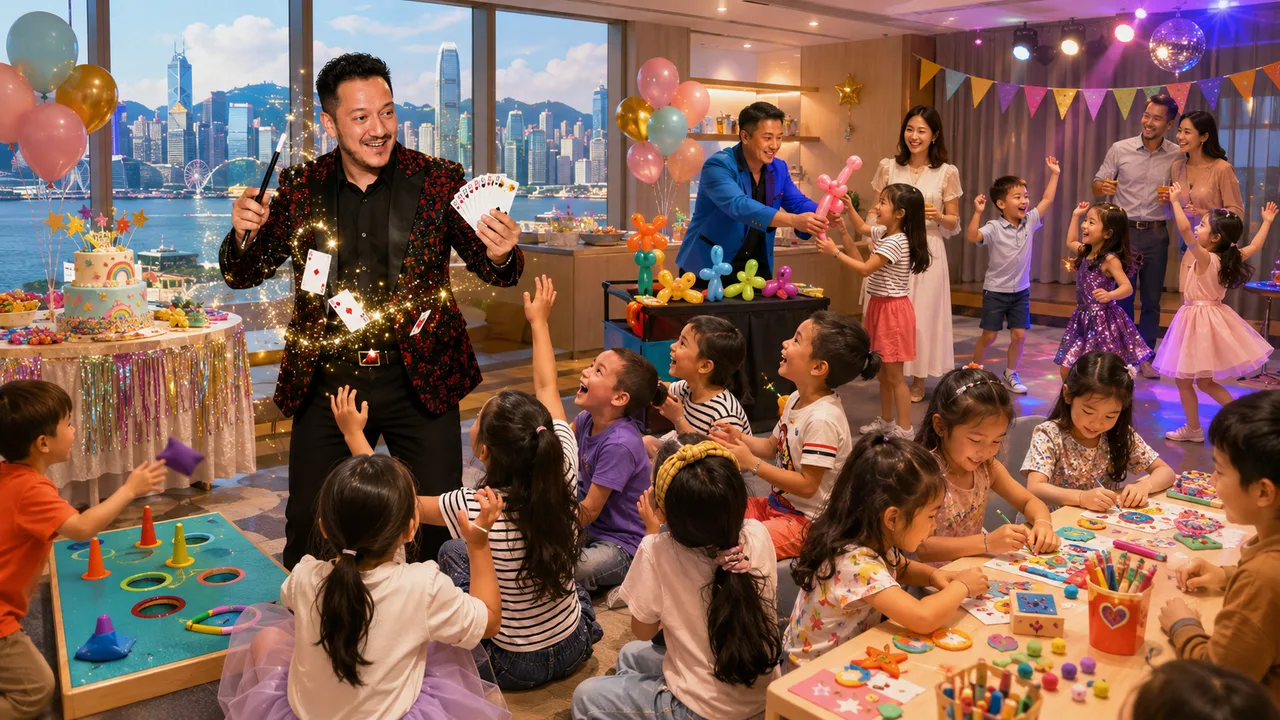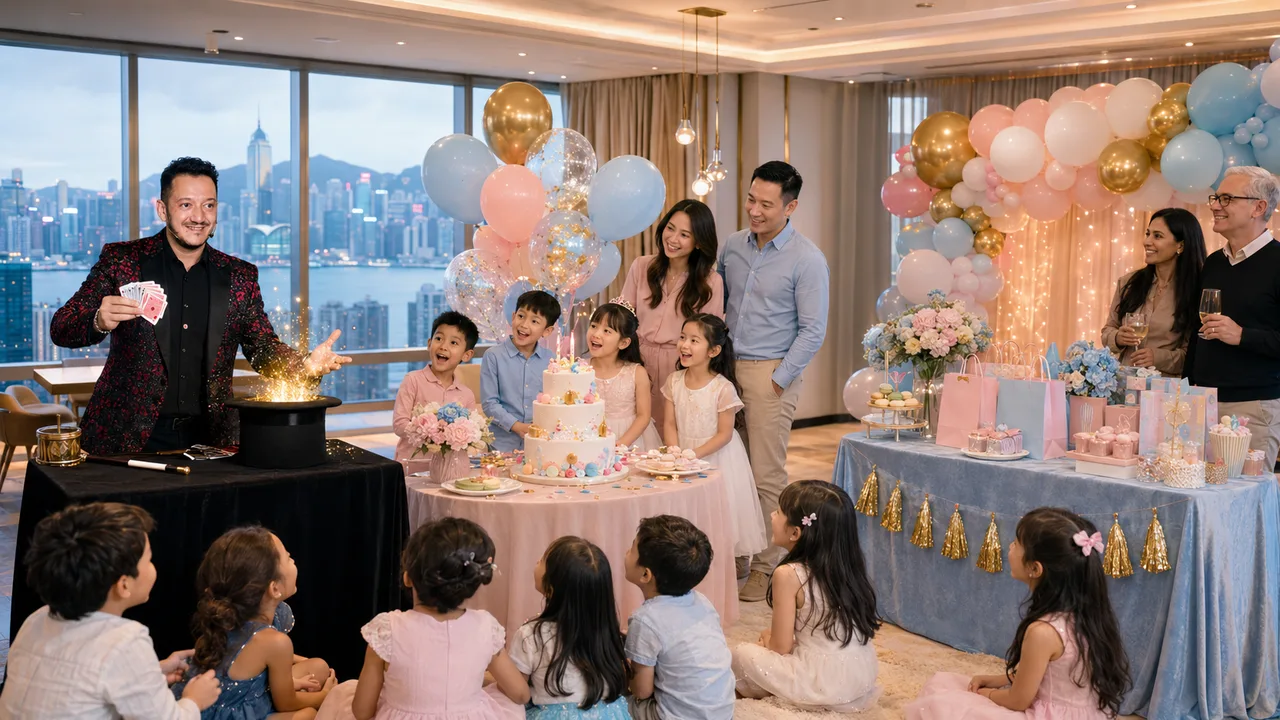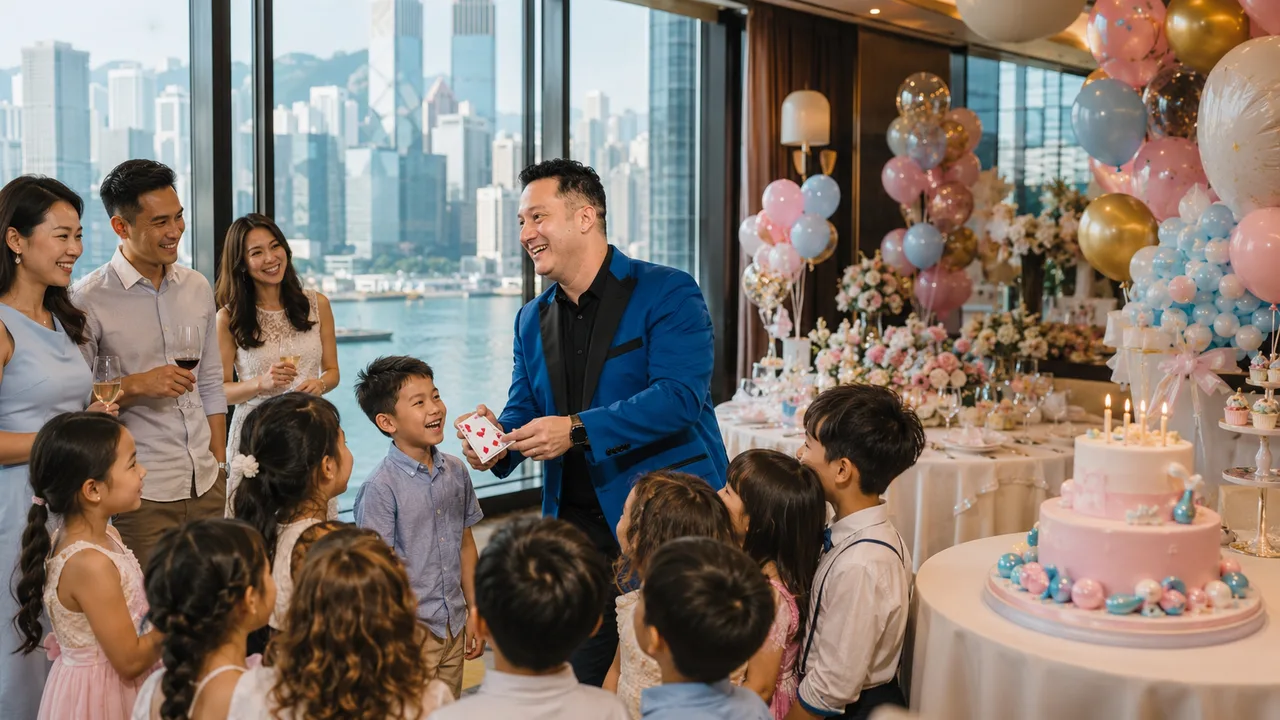
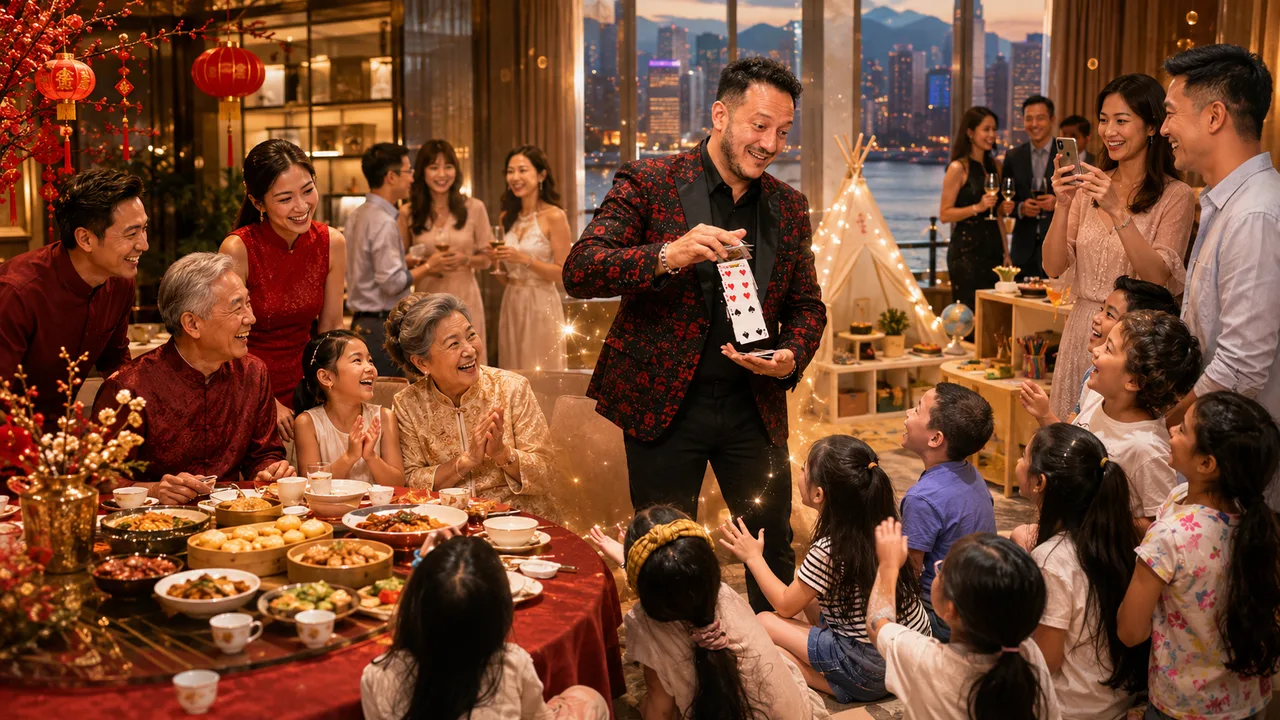
Children’s birthdays in Hong Kong sit at one of the world’s most interesting cultural crossroads. A typical local birthday might include a Western-style cake with candles, a traditional bowl of longevity noodles, a magic show in English, and a red packet from grandma. Old customs blend with new trends, and every family negotiates the mix differently.
This guide walks through how kids’ birthdays are actually celebrated in Hong Kong today — the traditions that have lasted, the new trends parents are adopting, and how to design a party that fits your family’s blend.
A Quick Cultural Snapshot
Hong Kong birthdays draw from three main influences:
- Cantonese and traditional Chinese customs — longevity foods, red eggs, lucky symbols, family-centered rituals.
- Western birthday culture — cakes, candles, “Happy Birthday” sung in English, themed decorations, gift-giving.
- Modern global trends — Pinterest-styled parties, personalized entertainment, professional photographers, and social-media-ready setups.
Most families pick and choose from all three. The fascinating thing about Hong Kong birthdays isn’t that any one tradition dominates — it’s that they all coexist, sometimes in the same afternoon.
Traditional Customs You’ll Still See Today
Longevity Noodles
A bowl of long, uncut noodles is one of the most enduring Chinese birthday traditions. The length symbolizes a long life — the longer the noodle, the longer the life. Many Hong Kong families still serve noodles at the birthday meal, especially for grandparents and very young children’s first birthdays.
If you’re hosting a multi-generational party, including a noodle dish is a small gesture that grandparents notice and appreciate.
Red Eggs and Ginger
Traditionally given at a baby’s first-month celebration (滿月), red-dyed hard-boiled eggs symbolize good fortune and renewal. Some families also bring them to first birthdays. They’re less common at older children’s parties, but a touch of red — in decorations, plates, or balloons — still carries cultural weight.
Red Packets (Lai See)
Cash gifts in red envelopes are central to Chinese celebrations. At children’s birthdays, grandparents and close relatives often give lai see in addition to or instead of wrapped gifts. The amount is less important than the gesture — the red envelope itself is the symbol.
The Number 8 (and Avoiding 4)
Lucky numbers shape gift amounts. Eight (八) sounds like “fortune” in Cantonese and is auspicious. Four (四) sounds like “death” and is avoided. You’ll see this in lai see amounts (HKD 88, 188, 288), in guest counts that families subtly avoid, and even in venue seating.
Birthday Foods Beyond the Cake
Apart from longevity noodles, traditional birthday meals might include:
- Steamed bao buns shaped like peaches (壽桃包) — a classic longevity symbol
- Roast pork or chicken for celebratory abundance
- Sweet red bean soup for sweetness and unity
Most modern Hong Kong children’s parties don’t include all of these, but you’ll often see at least one nodding to the older customs.
Modern Trends Shaping Hong Kong Parties
Over the last decade, kids’ birthdays in Hong Kong have shifted in several clear directions.
Themed Parties Are Now the Default
A generic “cake and candles” birthday is increasingly rare. Today’s parties have clear themes — superheroes, princesses, dinosaurs, unicorns, science labs, magic shows. Decorations, invitations, cake, and entertainment all align.
The reason: parents want a clear concept that ties everything together, makes planning decisions easier, and looks great in photos.
Professional Entertainment Is Normal
What used to be a luxury — hiring a professional children’s magician or face painter — is now standard for the 5–10 age group. The local industry has matured, prices have settled into clear tiers, and parents see entertainment as a key part of the party’s value.
Smaller, More Intentional Guest Lists
The trend in Hong Kong is moving away from “invite the whole class” toward smaller, more intentional groups of 10–20 close friends. Smaller groups mean:
- More meaningful interactions
- A controllable budget
- Better venue options (home parties become viable again)
- A more memorable experience for the birthday child
Photogenic Setups Matter
Parents now plan parties with photos and video in mind. A photo-friendly backdrop, a magician with strong “moment” elements (a live bunny, a flash of fire, balloons appearing from nowhere), and a thoughtful cake-cutting are designed to translate into images the family will keep.
Bilingual Parties
Many Hong Kong children’s parties run in English with Cantonese support to accommodate mixed friend groups, international school classmates, and grandparents. Good entertainers handle this fluidly.
Half-Day Format, Not Full-Day
Long, full-day birthday parties are out. The modern Hong Kong children’s birthday runs 2 to 2.5 hours, with a tight arc: arrival, centerpiece event, cake, goodbye. For the full schedule shape, see our hour-by-hour party timeline.
How Different Hong Kong Families Mix It
A few common patterns:
The “Western with Chinese accents” party
A clear Western-style birthday — themed decorations, cake, magic show — with small nods to tradition: noodles at the meal, red elements in the colour palette, lai see from grandma at the end.
The “Two-event” approach
A formal family dim sum or restaurant lunch with extended relatives, traditional foods, and lai see — followed in the afternoon by a friends-only Western-style party with cake and entertainment.
The “Modern Cantonese” party
Cantonese-speaking with bilingual entertainment, longevity noodles served alongside cake, red and gold colour scheme, magic show in Cantonese or bilingual.
The “Fully Western” party
Common in international school families. Cake, candles, themed entertainment, gift opening, no overt Chinese traditions — though family members may still bring lai see privately.
There’s no “right” mix. Each family negotiates its own blend based on extended family expectations and the child’s own preferences.
How a Magic Show Fits Into Hong Kong Birthdays
Magic shows have become one of the most popular birthday entertainment formats in Hong Kong over the past decade. A few reasons why:
- Universal appeal across cultures. A magic show doesn’t require translation — surprise and wonder land in any language.
- Bilingual delivery. Most professional Hong Kong children’s magicians perform in English with Cantonese support, fully in Cantonese, or fully in English.
- Works in any venue. Home, clubhouse, hotel, restaurant — see our guide to birthday party venues in Hong Kong for how the format adapts.
- Photogenic moments. A live bunny appearance, balloon twisting, and the magical “birthday child moment” are exactly the images families want to keep.
- Respects tradition. Magic and illusion have a long history in Chinese public celebration too, so a modern magic show sits comfortably alongside traditional customs without clashing. For multi-generational parties with grandparents seated, a close-up format often works even better than a stage show.
For more on why magic works specifically for kids, see why a magic show is the best entertainment for kids parties.
Practical Tips for Hong Kong Birthday Parties
A few logistical things that come up specifically in HK:
- Book venues 2–3 months ahead for peak seasons (Nov–Jan, Easter, June)
- Confirm bilingual support with any entertainer before booking
- Consider weather backup plans for any outdoor element
- Account for MTR / parking access for guests — a beautiful venue that’s hard to reach loses half the guests
- Set expectations on lai see clearly in invitations if you’d prefer guests not bring cash gifts
- Coordinate with grandparents ahead of time if traditional foods or rituals matter to them
Common Questions Parents Ask
Should I include traditional customs in my child’s party?
If they matter to your family, yes — even one or two touches (a red colour accent, a noodle dish, lai see from grandparents) connect the celebration to a longer cultural thread. If they don’t, no obligation.
What’s the typical budget for a kids’ birthday in Hong Kong?
For a 15–20 kid party with venue, entertainment, food, and a cake, expect HKD 6,000–15,000. See our full cost breakdown for the details.
Do international school families celebrate differently?
Some do. International school parties tend to lean fully Western — themed, English-language, with global entertainment trends. Local Cantonese families tend to blend more tradition in. Mixed families do both.
What’s the right age to start hosting “real” birthday parties?
Most families start hosting peer-only parties around age 3–4 — small home parties to start, growing into larger group parties by age 5–7.
How do I balance grandparents’ expectations with my child’s preferences?
A two-event approach works well: a family meal that honours tradition, plus a separate friends-only party that matches what your child actually wants.
Hong Kong birthdays are a quiet, ongoing negotiation between past and present. The best ones don’t pick a side — they let both show up, and let the child be the one who connects them.
See how a magic show fits your party or get in touch with Jose to plan a celebration that fits your family.